Stop Chasing Losses In Poker Games
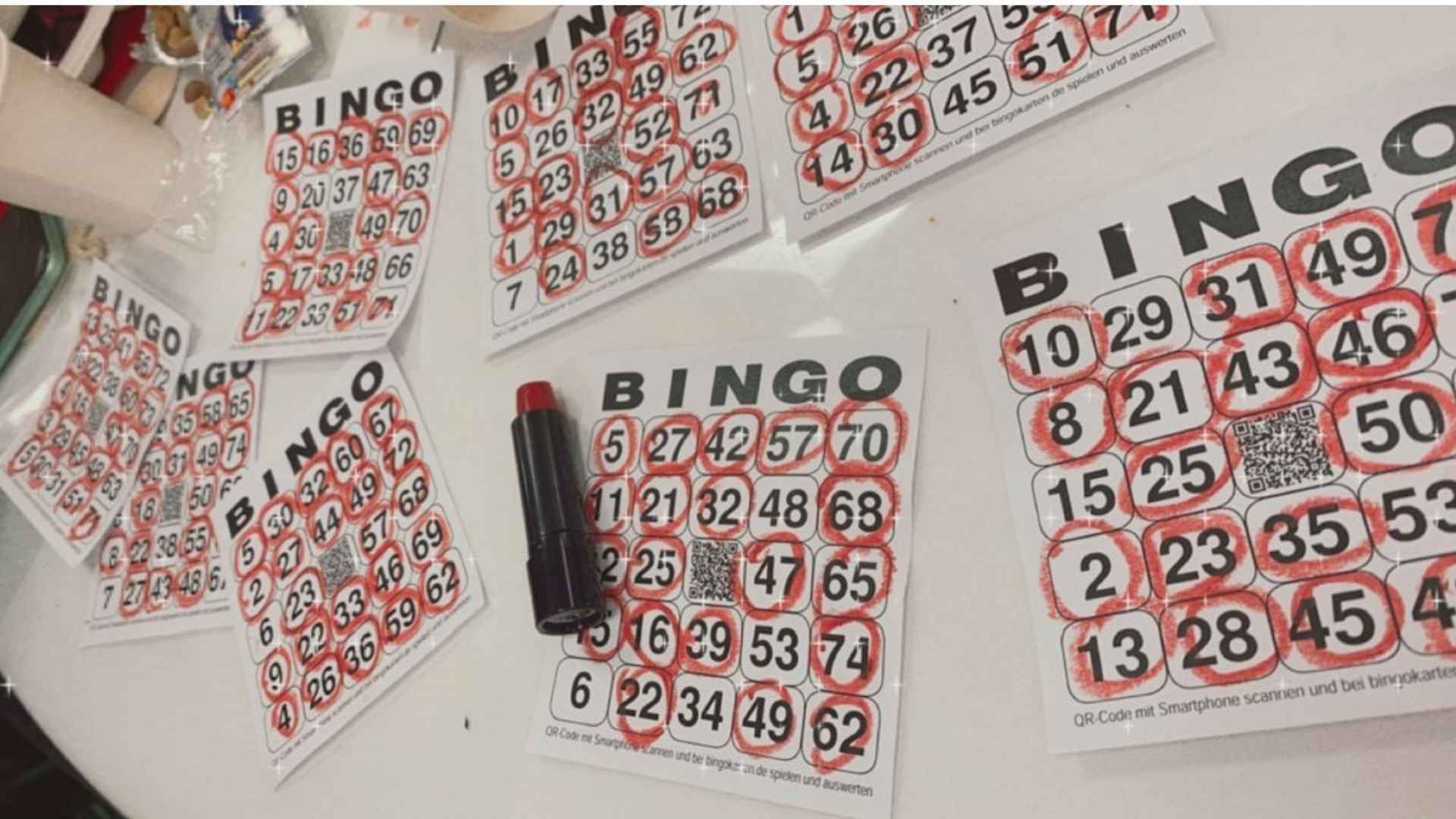
Poker is a dynamic game where the line between strategic calculation and emotional impulse can easily become blurred. One of the most destructive behavioral patterns at the table is the psychological urge to immediately win back chips after a significant defeat. Fulfilling the mandate to stop chasing losses in poker games is often the defining factor that separates long-term winners from those who deplete their bankrolls prematurely.
The Psychology of the Chasing Impulse
When a player experiences a major setback, the brain often enters a state of high emotional distress known as tilt. This psychological shift impairs logical reasoning and replaces disciplined strategy with a desperate desire to break even. Acknowledging this internal reaction is the first step toward regaining absolute control over your decisions.
Chasing behaviors usually stem from cognitive biases where losses feel significantly more impactful than equivalent gains. This aversion to losing forces individuals to take highly irrational risks that they would normally avoid under calm circumstances. Overcoming this instinct requires intense self-awareness and a willingness to step away from the table.
Recognizing the Signs of Loss Chasing
Identifying the early warning signs of emotional desperation can save a player from catastrophic financial consequences. Common indicators include playing much looser starting hands, drastically increasing bet sizes, and joining higher-stakes tables out of pure frustration. If you notice your tactical decisions are driven by anger rather than mathematical odds, it is time to reassess.
Another clear sign of danger is the refusal to end a session despite clear exhaustion or an ongoing negative streak. Players trapped in this cycle often convince themselves that a single lucky hand will resolve all their previous mistakes. Utilizing a reliable platform like the M88 Msports Login interface can help you track your metrics objectively and recognize when your performance begins to drop.
Implementing Strict Bankroll Safeguards
Establishing rigid financial boundaries prior to joining a game is an effective way to neutralize emotional decision-making. Setting definitive loss limits for each session ensures that you can never lose more than your pre-determined comfort threshold. Once this limit is reached, standing up from the table must remain a non-negotiable rule.
A disciplined approach to bankroll management views chips as tools for mathematical investment rather than personal currency. Detaching your self-esteem from individual session outcomes allows you to focus purely on executing correct long-term plays. Protecting your capital ensures you survive the natural variance inherent to competitive card games.
Shifting Focus to Long Term Variance
Successful players evaluate their progress across thousands of hands rather than focusing on the outcome of a single night. Accepting that short-term losses are completely unavoidable helps minimize the emotional urge to force a recovery. Maintaining consistency in your strategy ultimately yields profitable results over an extended timeline.
Reviewing hand histories during calm hours provides an objective perspective on whether you lost due to poor play or simple bad luck. Constructive analysis helps replace emotional regret with valuable strategic adjustments for future sessions. True mastery lies in maintaining tactical discipline regardless of how the community cards fall.